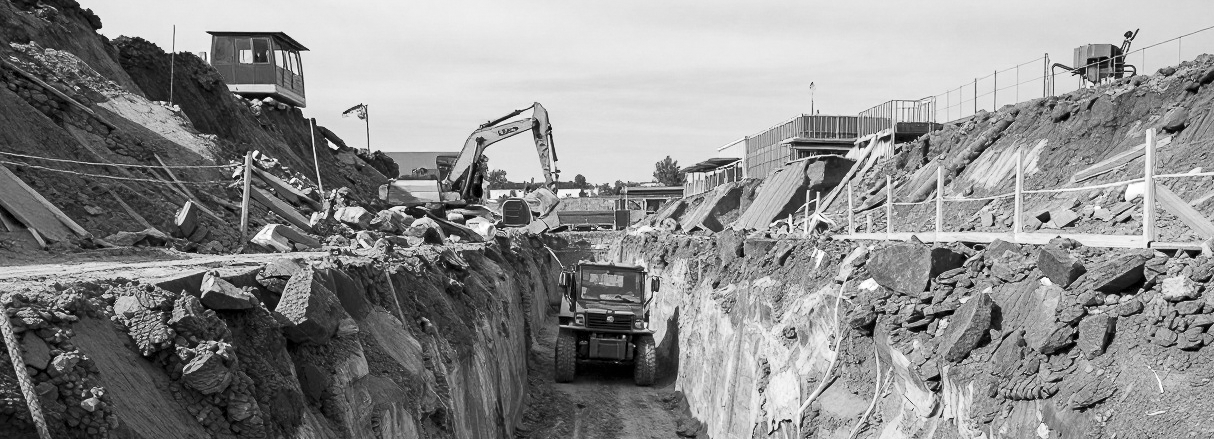
A recent enforcement action by the U.S. Department of Labor highlights the serious consequences of failing to meet safety standards in trenching and excavation work: one of the most hazardous activities in construction.
In November 2025, a trench collapse at a worksite in Yarmouth, Massachusetts resulted in the tragic death of one worker and severe injuries to another. Following an investigation, the Occupational Safety and Health Administration (OSHA) determined that the incident was preventable and stemmed from significant safety failures.
The contractor involved, Revoli Construction Co. Inc., a company specializing in water and sewer line construction, was found to have willfully and repeatedly exposed workers to dangerous conditions. As a result, the Department of Labor proposed $4,699,362 in penalties, reflecting the severity and frequency of the violations.
Breakdown of Violations
OSHA issued a total of:
- 7 willful violations
- 33 repeat violations
- 17 serious violations
These citations were tied to multiple critical safety lapses, including:
- Failure to provide safe means of egress from trenches
- Inadequate cave-in protection systems
- Unsupported underground utilities
- Improper placement of spoil piles within two feet of excavations
- Failure to install shoring systems according to design specifications
- Use of damaged protective systems
- Exposure of workers to electrical and fall hazards
These findings underscore a systemic disregard for established safety protocols designed to prevent exactly this type of incident.
Employer Rights and Next Steps
Following the issuance of citations, the employer has 15 business days to:
- Comply with the penalties
- Request an informal conference with OSHA
- Contest the findings before the Occupational Safety and Health Review Commission
Ongoing OSHA Focus on Trenching Safety
This case also reinforces the importance of OSHA’s National Emphasis Program on Trenching and Excavation, which aims to reduce injuries and fatalities by identifying high-risk worksites and enforcing compliance. Trenching hazards, particularly cave-ins, remain one of the leading causes of death in construction, making adherence to safety standards critical.
Preparing for OSHA Inspections
Incidents like this serve as a stark reminder that OSHA enforcement is both active and stringent, especially in high-risk sectors. Contractors must not only implement proper safety measures but also be prepared for inspections and audits at any time.
To support this need, RHCA offers a specialized webinar designed to help contractors prepare for unexpected OSHA visits and audits, providing practical guidance on compliance, documentation, and proactive safety management.