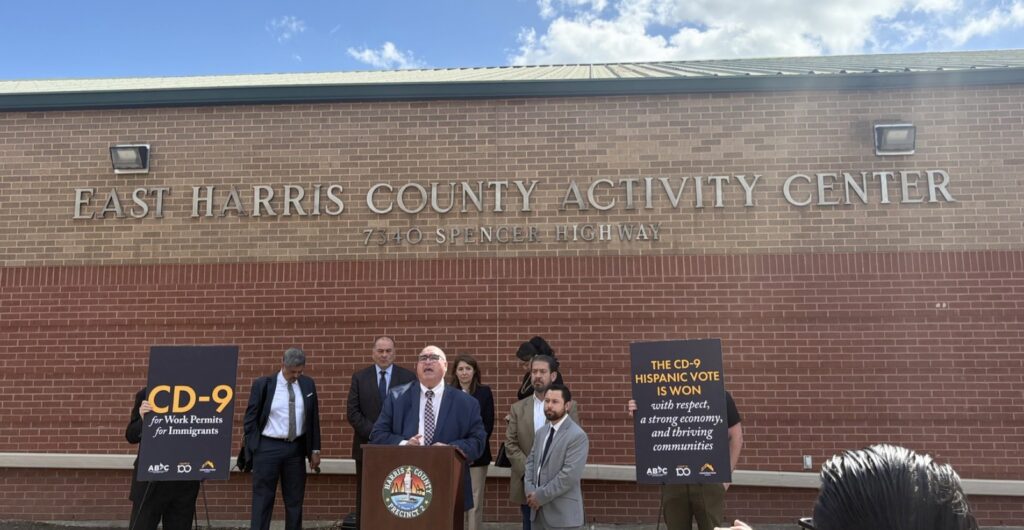
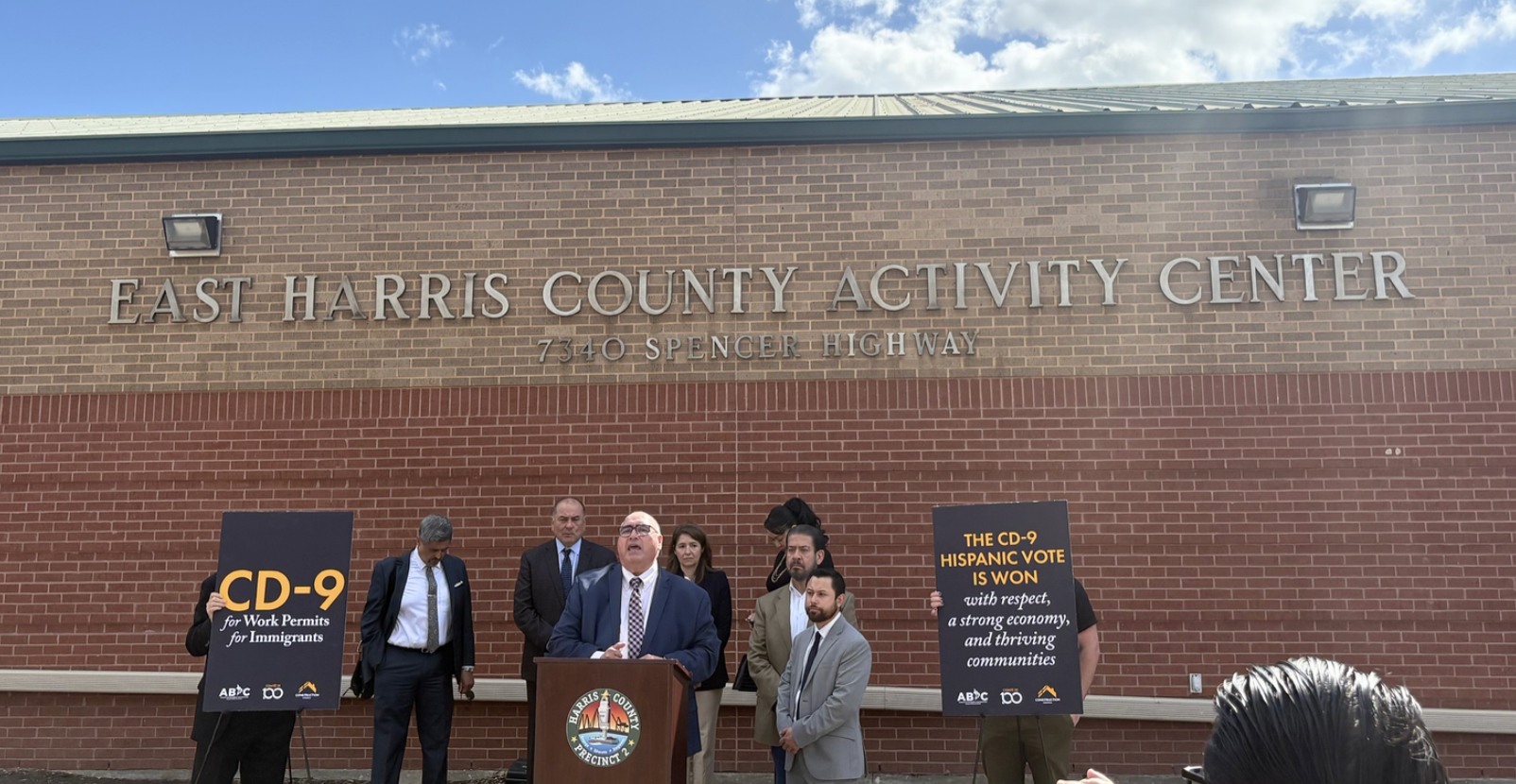
Pasadena, TX — March 23, 2026 — Workforce shortages and immigration policy were at the forefront of discussions this week as business leaders and elected officials convened in Pasadena for the Pasadena Workforce Roundtable, highlighting growing concerns among employers across the Greater Houston region.
The event, organized in partnership with the Regional Hispanic Contractors Association, National Association of Minority Contractors, National Hispanic Construction Alliance, and the American Business Immigration Coalition, brought together stakeholders from the construction and small business sectors—industries that continue to face acute labor shortages.
Participants pointed to tightening immigration enforcement and policy uncertainty as key factors contributing to workforce constraints, particularly in construction, where access to skilled labor remains critical to meeting regional demand.
“Labor availability is one of the most pressing challenges facing our industry,” said a participating business leader. “Without a stable and predictable workforce pipeline, project timelines, costs, and regional growth are all impacted.”
The roundtable comes at a pivotal moment following recent primary elections, as federal immigration proposals—including the Dignity Act and the Dream Act—remain under debate. Business leaders emphasized the need for policy solutions that balance enforcement with economic realities, particularly in high-growth metro areas like Houston.
According to participants, industries such as construction, infrastructure, and skilled trades are disproportionately affected by workforce gaps, with employers increasingly competing for a limited pool of qualified workers.
The discussion also underscored the broader economic implications for the Houston region, where sustained growth depends on the availability of labor to support ongoing development and investment.
Organizers say the Pasadena Workforce Roundtable is part of a broader effort to elevate business perspectives in ongoing immigration policy discussions and to identify practical, bipartisan solutions that support both economic growth and workforce stability.