Following Texas Primaries, Hispanic Leaders and Lawmakers Link Record Hispanic Voter Turnout to the Economy, Immigration Overreach, and Lack of Workforce Solutions
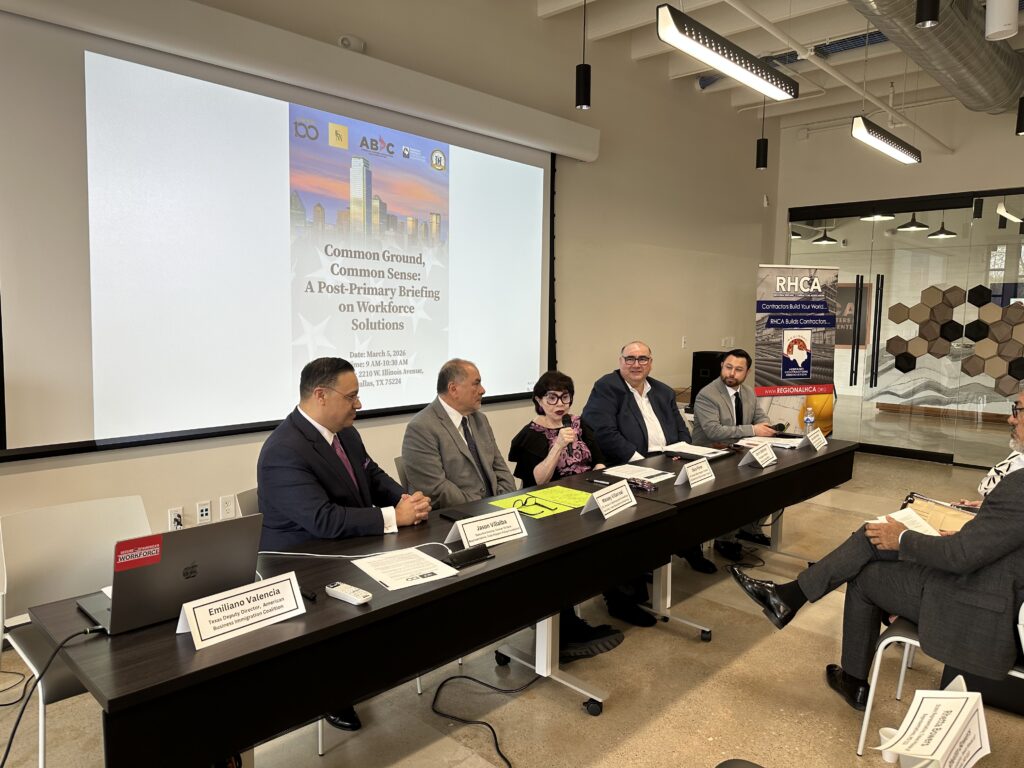
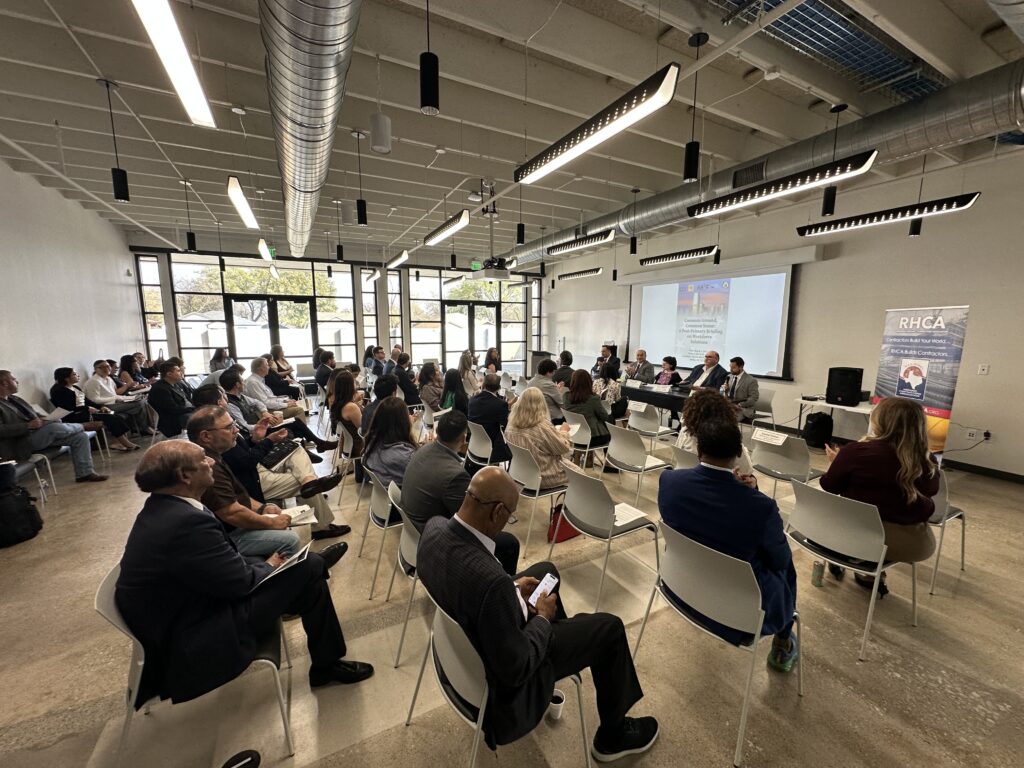
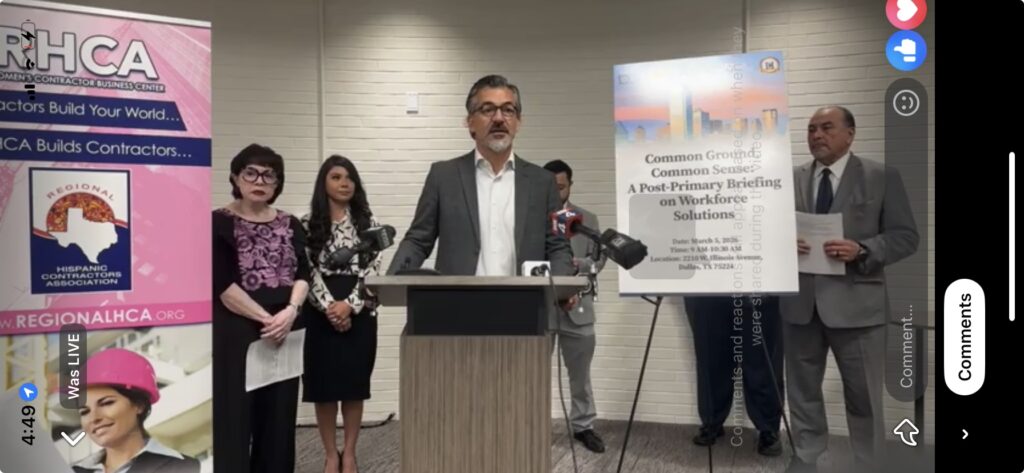
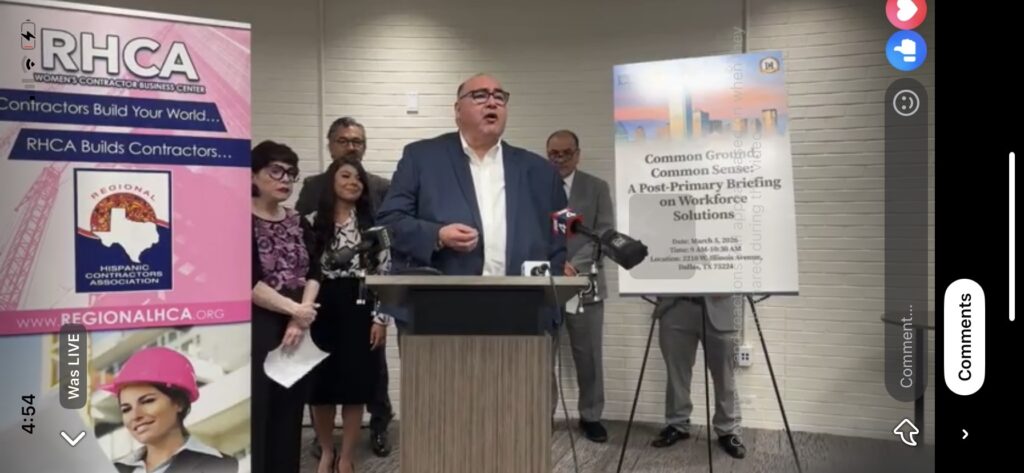
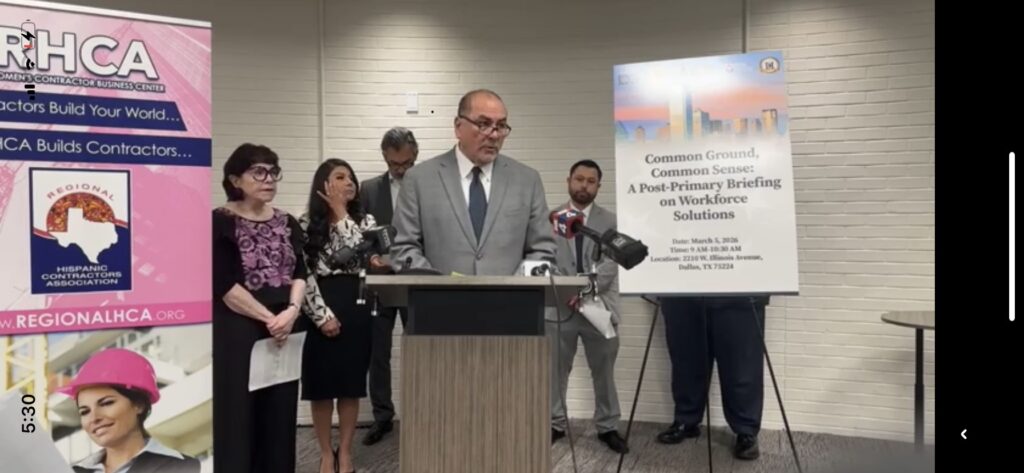
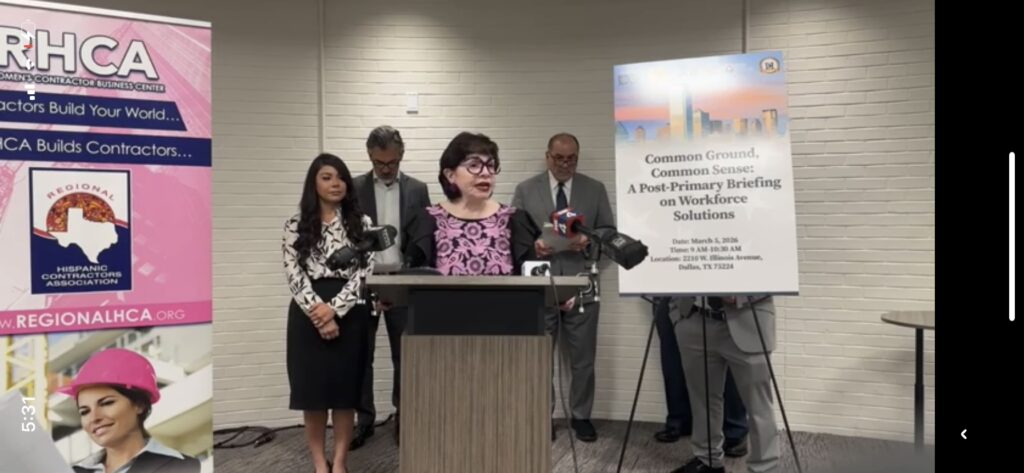
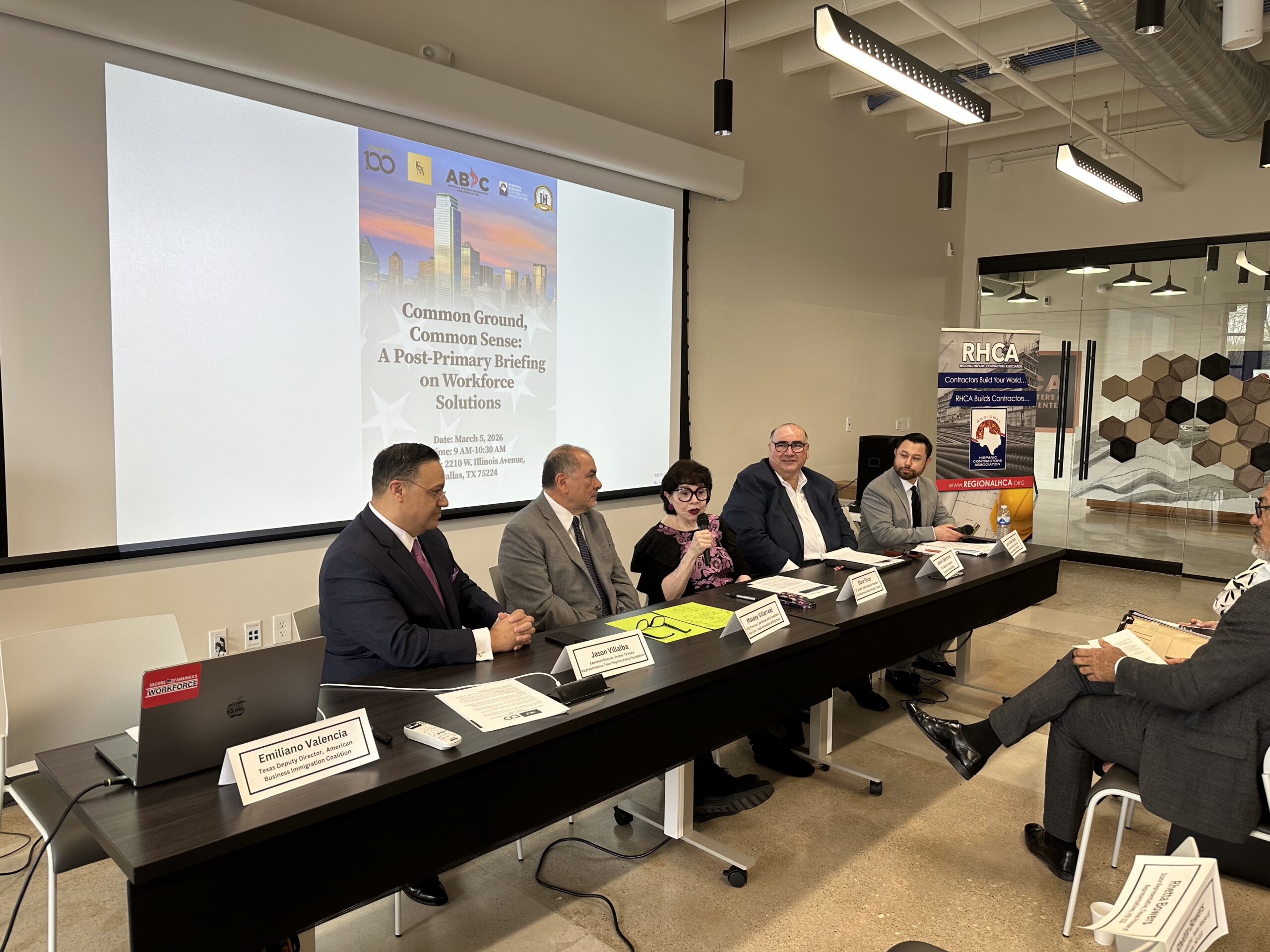
Dallas, TX – On the heels of the Texas primary elections and record Hispanic voter turnout, Comité de 100, ABIC Action, the Regional Hispanic Contractors Association, and the Greater Dallas Hispanic Chamber of Commerce hosted a press conference in Dallas to examine the political and economic implications of Latino voter engagement across the state.
At a press briefing on March 5, Texas State Representative Ramon Romero and other Hispanic business and advocacy leaders warned that record Hispanic turnout in the primary elections, especially in Latino-majority counties, is a backlash to immigration enforcement and that a similar trend in November could cost Republicans control of Congress.
Business leaders also emphasized that the Hispanic vote is one earned with respect and real solutions. Any party that wants to win should be pushing for work permits for long-term immigrants and citizenship for Dreamers. Speakers stressed that engagement and turnout in North Texas are likely to be decisive in competitive congressional races this November, and called for continued collaboration to support both the Hispanic community and the broader Texas economy.
Comité de 100 and ABIC Action recently released a memo outlining the decisive role of Latino voters in Texas and swing states around the country. The memo makes it clear that maintaining support from Latino voters is critical if the GOP wants to hold onto its majority in both chambers.
A recording of the press conference can be viewed here.
Juan Carlos Cerda, Texas State Director, ABIC Action:
“We are here today because this week’s Texas primary sent a strong message: Hispanic voters will determine the midterm elections. The backlash to immigration enforcement is already driving huge turnout. Any party that wants to win should aggressively push for work permits for long-term immigrants and citizenship for Dreamers and undocumented spouses of U.S. citizens. The primary showed that enforcement-only rhetoric is a gamble; an enforcement-only message has alienated Hispanic and moderate voters. Our new research shows that Hispanic voters are the swing block that will determine control of Congress in 2026. Our projected estimates show that a 10 to 15 shift in Hispanic voters from Republican to Democrat will lead to double-digit losses for the Republican Party and more than two dozen competitive districts nationwide.”
John Martinez, CEO, Regional Hispanic Contractors Association:
“I want to talk a little bit about the men and women who are out there, the men and women who get up and build our homes, our roads, our schools, our hospitals. Every day they get up, not knowing they are going to come back to their families. And when it affects these immigrants, it affects the families here, who are many times U.S. citizens, and it affects their families of origin. And as a country, we need these men and women, because we need the roads, we need the schools, we need the hospitals. We also need to know that these people are human beings that we need to treat as humans.”
Diana Flores, Vice President, Greater Dallas Hispanic Chamber of Commerce & Dallas College Board Trustee:
“This unjust, inhumane immigration enforcement has poked the bear, and we’re seeing the results. And, we look for victory for those that want fair immigration reform, comprehensive immigration reform, to prevail in November.”
Massey Villarreal, CEO, Precision Task Group & Co-Chair, Comité de 100:
“What we are seeing now is a wake-up call Latino voters supporting Republicans in record numbers in 2024 because they want a solution, not an overreach, and if either party ignores our economic concerns or disrespects our community, they will lose our support just as quickly. Today, we are here to show that Hispanic Unity does not mean partisan loyalty. It means principled leadership. It means securing the border, removing violent criminals and also providing legal certainty for Dreamers and essential workers who have worked and paid taxes for years; the DREAM Act, the Dignity Act, and similar bipartisan reforms represent the kind of balance common sense solutions Texas expects.”
Texas State Representative Ramon Romero:
“When you talk to Latino families across Texas, our priorities are clear. We want what Donald Trump said. We want lower prices. We want good-paying jobs, we want affordable health care, and we want the same things that many of us have already achieved, a better life, but that better life seems a distant future for our younger generations. We want them to have the same opportunities that we have, but instead, what we’re getting are extreme immigration enforcement policies that are tearing our neighborhoods, our economies and our businesses apart. Across Texas, we have seen how it’s harming our communities and how it’s also harming lives.”
###
About Comité de 100
Comité de 100 is a coalition of prominent Mexican American and Latino business leaders from across the United States, dedicated to advocating for practical immigration solutions. The coalition promotes policies that ensure secure borders, respect immigration laws, and protect key groups such as Dreamers, mixed-status families, and essential workers who contribute to industries like agriculture, hospitality, and healthcare. Through public education and bipartisan advocacy, the Comité de 100 strives to foster understanding, protect families, and promote long-term solutions to benefit America’s economic and social well-being.
About ABIC Action
We were created to mobilize the power of American businesses and the general public to promote and advocate for sensible immigration solutions. ABIC Action will develop and advocate for legislation, regulations, and government programs that promote common-sense state and federal immigration reform to benefit the people and economy of our country. ABIC Action operates under federal income tax under section 501(c)(4) of the Internal Revenue Code (IRC).